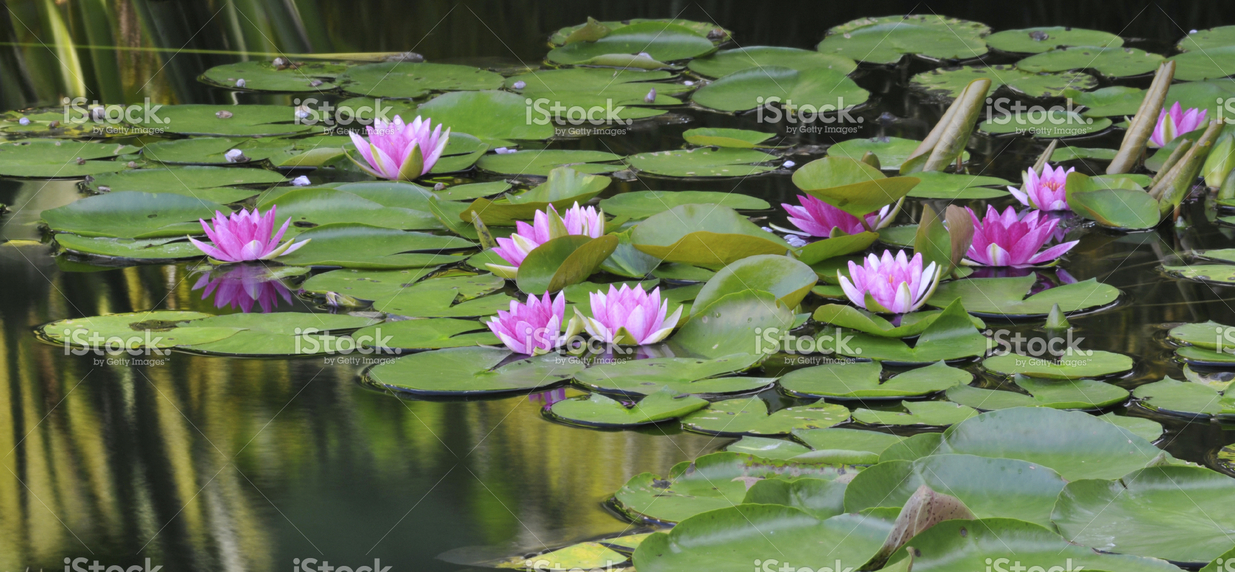

A sense of safety, honest relating and permission to become can make the difference between a space and a place.
And just what is that difference?
I’d suggest borrowing from the science of geography in general and John Agnew in particular, who points out these two terms and their differences have been debated since the nineteenth century. In short, place can be thought of as a special kind of space – a matrix or container where process can occur. Space provides the backdrop, the potential for occurrences – but they find their fuller realization in the form of place.
Place here isn’t just a location, but a relationship among the things within a space. Sometimes those “things” are people and the relationship is between as few as two or as many as millions. Sometimes it’s our relationship to ourselves, or aspects of ourselves.
We all need a place, in the sense that we all need to belong somewhere. What’s true between people is also true within them; when carried into the realm of psychology, how many of us really feel a sense of belonging? How many of the aspects of ourselves – those parts we differentiate with terms like thoughts, feelings, bodies or beliefs – feel truly welcomed or get to experience belonging? How often do we run from, anesthetize or disavow the seemingly unsavory, unyielding and primitive traces of growth gone by? Many of us wear the “person-suits” of adulthood, but aren’t we– as Richo points out – also recovering children? Are we ever fully adult? Do we ever fully recover? Or can the many parts, the many versions of ourselves arising across the chasms of years, coexist and even relate to one another?
It is my purpose on these pages to create a sense of place where the lenses of psychology, philosophy, the sciences and what can only be described as the spirit are allowed to converge and diverge like a kaleidoscope. I hope this can be a place of exploration of these and other strands of thought, feeling, mystery and – most importantly – dialogue. For if a place is relational, a field of process and potentiation, then it needs a plurality of perspectives in which to thrive. Yet just as we choke back the parts of ourselves, many of us choke back our own voices out of shame, fear of ridicule or reprisal, or even the deadened sense that what we have to say isn’t all that important.
A sense of safety, honest relating and permission to become can make the difference between a space and a place.
And everyone deserves a place, to belong somewhere – where’s yours?